
Throughout history, the way humans have approached movement has reflected broader cultural shifts and societal values. The emergence of structured dance methods marked a turning point, transforming dance from spontaneous expression to a disciplined art form that emphasizes precision, coordination, and storytelling.
Background
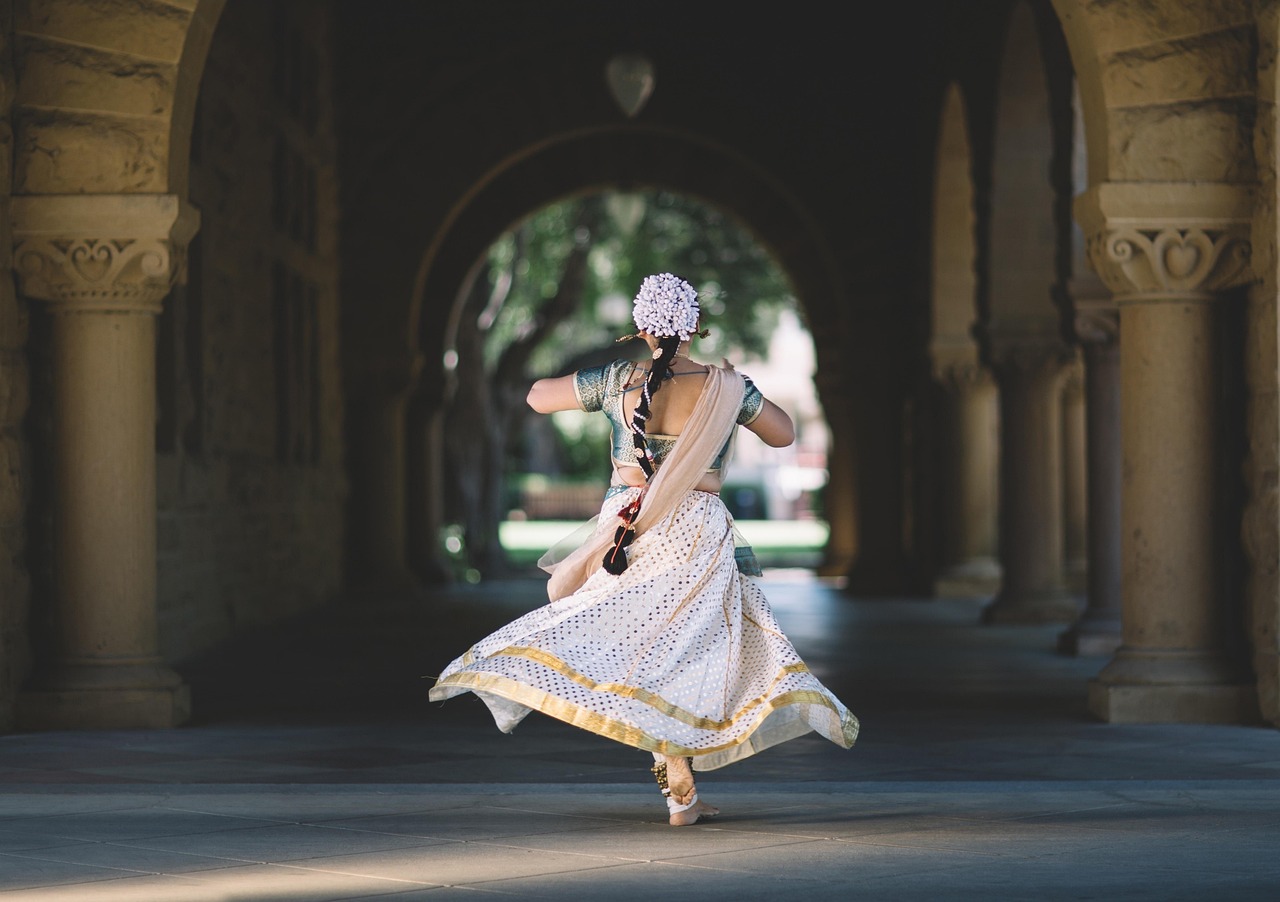
The development of formal dance techniques represents a significant milestone in the history of movement arts. Rooted in ancient ritualistic practices, these techniques evolved through centuries of cultural exchange, technological development, and artistic experimentation. Early dance forms often served spiritual, social, and entertainment purposes, but over time, a systematic approach to movement emerged—culminating in the establishment of codified techniques that could be taught, learned, and refined.
Early 20th-century pioneers such as Rudolf Laban and Loie Fuller laid foundational principles that shaped modern dance techniques. Their work emphasized body alignment, spatial awareness, and expressive movement, creating groundwork for subsequent choreographers and performers to innovate upon. The formalization of technique not only enhanced aesthetic appeal but also facilitated choreography as a discipline distinct from improvisation or folk traditions.
Geography
European Foundations
Europe, particularly during the early modern period, was instrumental in formalizing dance techniques. Institutions such as the Royal Ballet School in London and the Paris Opera Ballet codified movement standards and training methodologies. Dancers like Enrico Cecchetti developed systematic training regimens that are still influential today.
American Innovations
In the United States, the emergence of modern dance in the early 20th century, exemplified by Martha Graham and Doris Humphrey, prioritized expressive freedom but also incorporated rigorous technical frameworks. Their innovations propelled dance toward a new synthesis of physicality and emotion, influencing global choreography.
Global Spread
Post-World War II, the globalization of dance facilitated the dissemination of formal techniques across continents. Cultural exchange programs, technological media, and institutional support helped standardize and adapt techniques to regional contexts, blending local movement idioms with hybridized formal approaches.
Society & Culture
Performance Culture
Formal dance techniques revolutionized performance culture by elevating dance to a recognized art form comparable to theater and opera. They enabled dancers to achieve unprecedented levels of precision, expression, and storytelling, creating a shared vocabulary that transcended language barriers.
Societal Impact
As dance techniques gained prominence, they influenced societal notions of physical discipline, aesthetic standards, and cultural identity. Dance academies and competitions became platforms for social mobility and cultural expression, often reflecting broader societal dynamics such as gender roles and national identity.
Innovation and Tradition
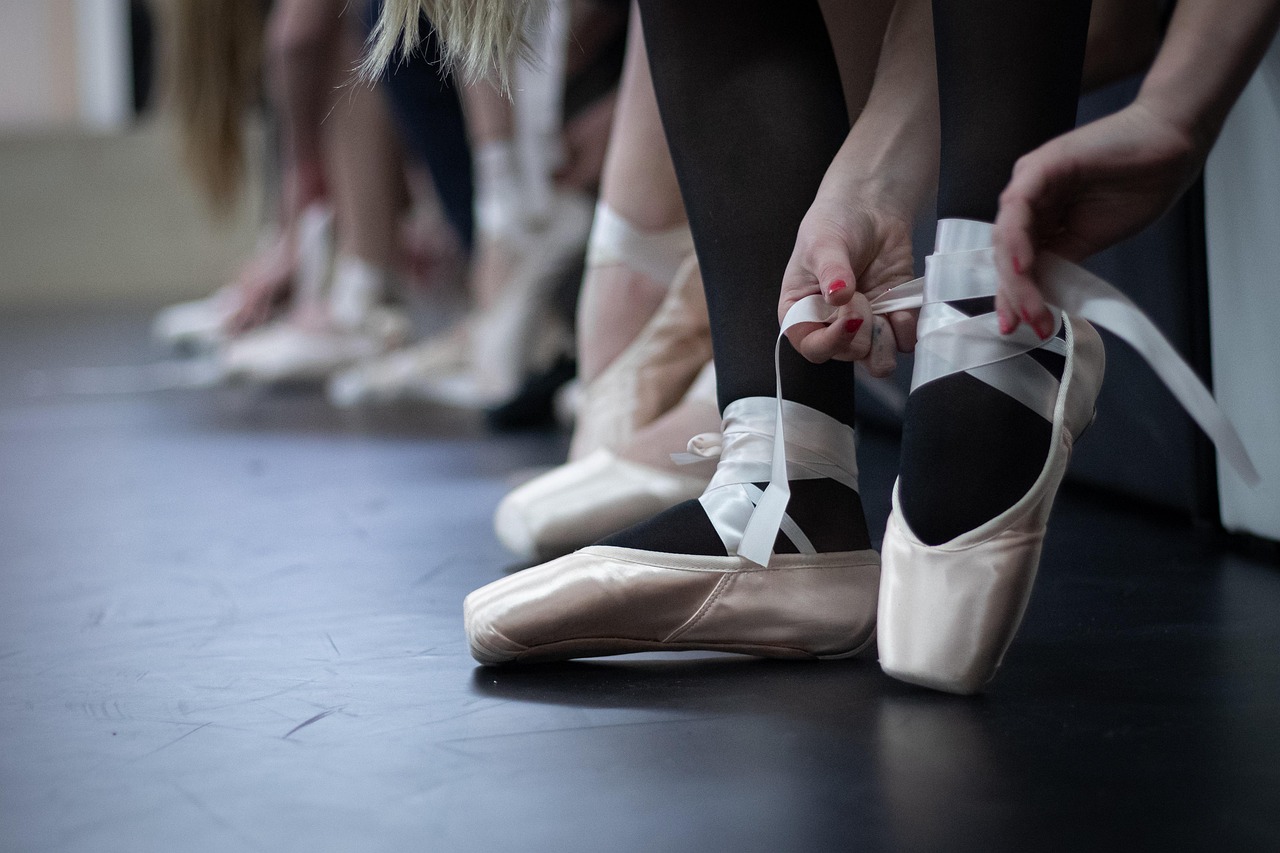
While formal techniques emphasize innovation, they also participate in a complex dialogue with tradition. Many choreographers seek to preserve classical methods while infusing contemporary elements, leading to hybrid styles that reflect evolving societal values.
Economy & Trade
The formalization of dance techniques spurred an industry around training, production, and dissemination. Ballet companies, dance schools, and performance festivals became economic engines, generating income and employment. Additionally, the global trade of dance costumes, resources, and media recordings extended the reach of these techniques worldwide.
Military & Technology
Interestingly, principles originating from military drill and physical training influenced the development of some dance techniques, emphasizing precision, discipline, and synchronized movement. Advances in technology—such as film, video, and motion analysis—further refined teaching methods and enabled widespread sharing of choreographic innovations.
Governance & Law
Dance institutions often established regulatory frameworks, certification standards, and copyright laws to protect choreography and training methodologies. These legal structures helped formalize the discipline and legitimize dance as an intellectual property and cultural asset.
Archaeology & Sources
Historical artifacts, iconography, and early textual records provide insights into the origins of formal dance techniques. Archaeological excavations at sites like ancient Mesopotamian and Greek theaters reveal painted and sculptural evidence of rehearsed movement and stagecraft, illustrating early conceptualizations of stylized dance.
Timeline
- Ancient civilizations develop ritualistic dance forms emphasizing symbolism and storytelling.
- 16th-17th centuries: Court ballet and dance master manuals formalize movement rules in Europe.
- Early 20th century: Pioneers like Rudolf Laban and Martha Graham institutionalize modern dance techniques.
- Mid-20th century: Global dissemination through television, film, and international festivals.
- Late 20th to 21st century: Fusion of traditional and contemporary methods creates hybrid movement styles.
Debates & Controversies
While formal dance techniques have unified many aspects of movement, debates persist over issues such as cultural appropriation, academic elitism versus folk traditions, and the commercialization of dance. Critics argue that rigid codification can sometimes stifle creativity, whereas proponents view it as essential for technical mastery and innovation.
Conclusion
The emergence and proliferation of formal dance techniques mark a pivotal chapter in cultural history. They have transformed dance from spontaneous expression into a disciplined art form, enabling intricate storytelling, technical excellence, and cross-cultural dialogue. As movement innovation continues to evolve, these techniques serve as both foundation and catalyst for future artistic exploration, securing dance's place as a vital aspect of cultural identity and human expression.