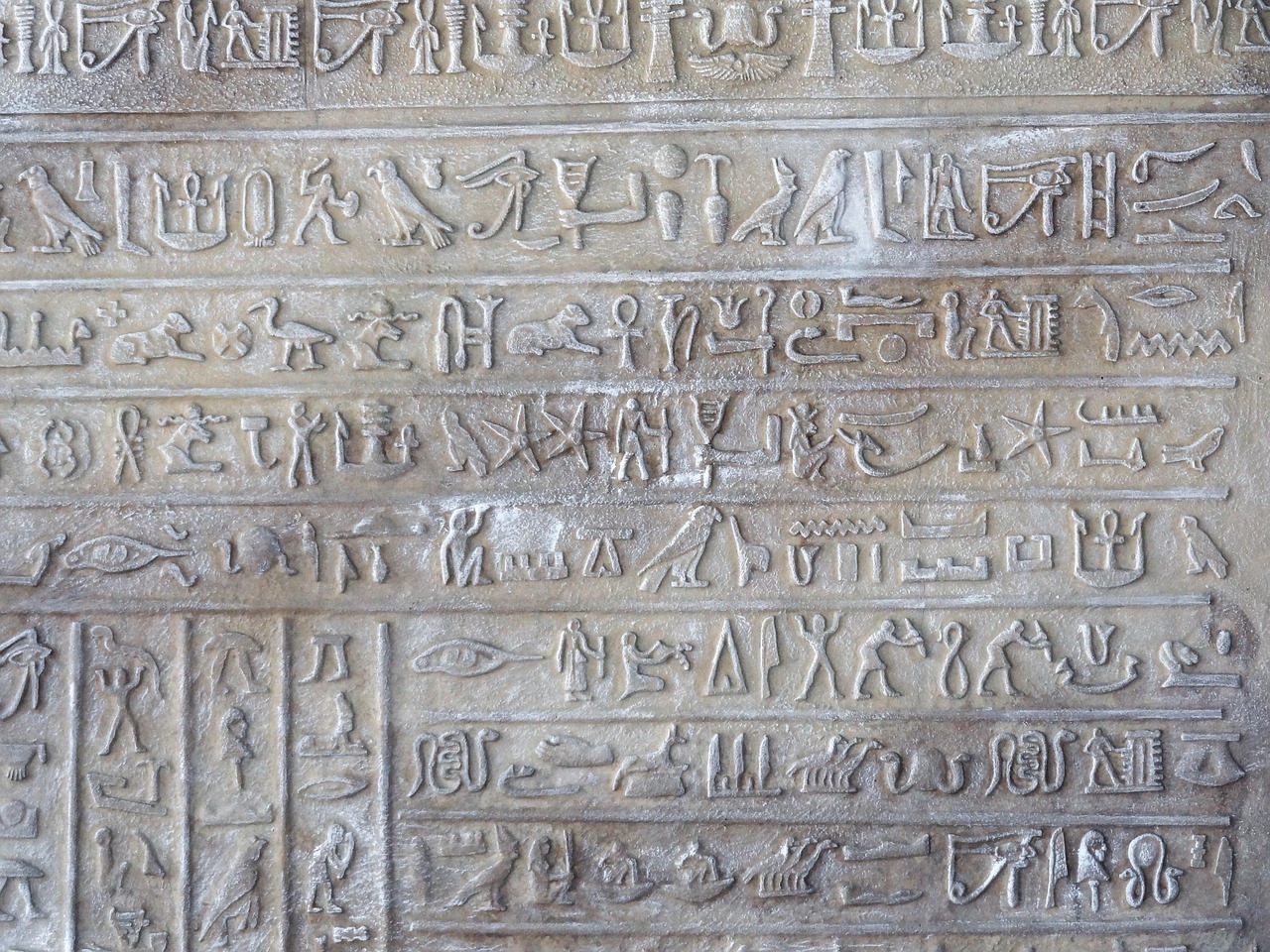
Deep within the arid landscapes of modern-day Sudan lies a civilization that once rivaled the might of ancient Egypt—the Kingdom of Kush. Often overshadowed by its iconic neighbor, Kush was a powerful empire that flourished from around 1070 BCE until its decline in the 4th century CE. Its legacy is woven into the fabric of African history, revealing a vibrant cultural tapestry that has only begun to surface through archaeological excavations and scholarly research.

Background
The Kingdom of Kush, situated in the Nile Valley south of ancient Egypt, represents one of the most remarkable civilizations of ancient Africa. Often referred to as Nubia in modern contexts, this kingdom thrived from around 1070 BCE with the rise of the Napatan period and continued until the collapse of the Meroitic state around the 4th century CE. Kush was characterized by its unique cultural identity, heavily influenced by, yet distinctly separate from, Egyptian civilization, fostering a complex and evolving societal landscape.
Historically, Kush oscillated between periods of dominance and subservience to Egypt, eventually establishing its own empire that rivaled its northern neighbor. Its resilience and innovation rendered it a centerpiece of African history, with archaeological finds revealing a sophisticated society with advanced political, religious, and technological development.
Geography
The geography of Kush was defined predominantly by the Nile River, which provided vital transportation, fertile land, and a means for cultural exchange. The territory stretched from the Third Cataract of the Nile — roughly modern-day Khartoum — southward into the dense savannas and deserts of present-day Sudan.
This region's strategic position facilitated control over trade routes connecting Central Africa with Egypt and the broader Mediterranean basin. The Nile's annual inundation supported agriculture, enabling Kush to develop a thriving economy based on farming, mining, and trade. Key archaeological sites such as Napata, Meroë, and Kerma exemplify the region's rich resource base, especially its iron ore deposits and gold mines.
Society & Culture
Kushite society was deeply rooted in complex social hierarchies, religious practices, and cultural traditions. The society was stratified, with divine kingship at its core—emphasizing the role of the monarch as both spiritual leader and political ruler, often associated with gods like Amun.
The religious life of Kush was intertwined with Egyptian deities, yet it also incorporated indigenous gods and practices. Temples and religious iconography from sites like Napata and Meroë depict a rich mythology, including elaborate rituals and a belief in an afterlife similar to Egyptian customs.
Language and script evolved over time, with Meroitic hieroglyphics representing a unique linguistic system. Art and craftsmanship flourished, seen in exquisite jewelry, sculpture, and architecture that combined indigenous motifs with Egyptian influence.
Economy & Trade
The economy of Kush was predominantly based on agriculture, supplemented by mining and trade networks. The fertile Nile floodplain allowed cultivation of crops such as millet, barley, and sorghum. Ironworking, introduced and perfected during the Meroitic period, was a major driver of economic development, enabling tools, weapons, and trade goods to be produced efficiently.
Trade was a vital component, connecting Kush with Egypt, the Red Sea, Central Africa, and beyond. Kush exported gold, ivory, ebony, and aromatic resins, building extensive trading networks for these commodities. In return, they imported luxury goods such as fine textiles, glassware, and Mediterranean artworks, which influenced Kushite aesthetics and material culture.

Military & Technology
Kush maintained a formidable military, which was instrumental in expanding and defending its territories. Archaeological evidence points to the use of iron weapons, chariots, and fortified cities. The military prowess of Kush climaxed during its Napatan and Meroitic periods, when it challenged Egyptian dominance and even launched a campaign into Egypt during the 8th century BCE, establishing the 25th Dynasty, known as the Nubian or Kushite Dynasty.
Technologically, the Kushites excelled in ironworking, which they developed independently, making them one of the earliest producers of iron tools and weapons in Africa. Their architectural innovations included large-scale temple complexes and pyramids, with the Meroitic pyramids renowned for their distinctive style, smaller size, and intricate burial chambers.
Governance & Law
The governance structure of Kush evolved over centuries. During the Napatan period, the king was regarded as a divine monarch with absolute authority, supported by a bureaucracy that managed affairs ranging from military campaigns to religious rituals.
By the Meroitic period, the political system incorporated a more complex administrative hierarchy, possibly with regional governors overseeing various districts. Laws and regulations, although not fully deciphered, appear to have been inscribed on stelae and palace records, emphasizing justice, property rights, and religious duties.
Archaeology & Sources
The archaeological record of Kush is extensive, featuring pyramids, temples, palaces, and artifacts. Key sites include Kerma, Napata, and Meroë, each revealing layers of religious, political, and social history. Excavations have uncovered royal tombs, statues, inscriptions, and everyday objects that illuminate Kushite life.
Primary sources include inscriptions in Meroitic script, Nubian stelae, and Egyptian records referencing Kush. However, much of the rich history remains partially deciphered due to limited understanding of the Meroitic language, which still poses challenges for researchers.
Timeline
- circa 2000 BCE: Establishment of the Kingdom of Kerma
- circa 1500 BCE: Rise of Napatan Kingdom
- 1070 BCE: Beginning of the Napatan Dynasty
- 747–656 BCE: Egyptian Pharaohs conquer and control Kush
- 728–716 BCE: Rise of the Kushite 25th Dynasty, with kings like Piye and Taharqa
- 538 BCE: Collapse of Egyptian control; Kush regains independence
- 300 BCE–350 CE: Meroitic era of prosperity and cultural development
- 350 CE: Decline of the Meroitic civilization
Debates & Controversies
Historical debates surrounding Kush often focus on its cultural identity and its relationship with Egypt. Scholars have long debated whether Kush was fundamentally Egyptianized or retained a distinct indigenous culture. Recent archaeological finds suggest a more nuanced view, with Kushites adopting and adapting Egyptian elements while maintaining unique traditions.
Another area of controversy concerns the decline of Kush: whether environmental changes, such as desertification, economic decline, or external invasions, played the dominant role. Additionally, the decipherment of Meroitic script remains incomplete, limiting full understanding of their political and social structures.
Conclusion
The Kingdom of Kush was more than a mere footnote in Egyptian history; it was a thriving civilization that challenged and complemented its northern neighbor, leaving behind a legacy that continues to captivate archaeologists and historians. Its story reflects the ingenuity, resilience, and complexity of African civilizations—an enduring testament to a lost kingdom that once ruled the Nile's vital corridor, whose treasures remain to be fully uncovered and understood.