
Introduction to Industrial Revolution
The early 19th century in Britain was a crucible of change, a period where the gentle hum of the spinning wheel was rapidly being replaced by the clatter and roar of factory machinery. It was an era of unprecedented innovation, but for many, it was also a time of profound fear and desperation. Amidst this upheaval, a shadowy figure known as "General Ludd" emerged, leading a movement of skilled artisans who saw their livelihoods, their communities, and their very way of life being systematically dismantled by the relentless march of industrial progress. This was the genesis of the Luddite rebellions, a chapter in history often misunderstood, yet deeply resonant even today.

The Seeds of Discontent: A World Turned Upside Down
Britain, embroiled in the Napoleonic Wars, faced immense economic strain. High food prices, low wages, and widespread unemployment formed a volatile backdrop. For centuries, skilled artisans – stockingers, croppers, weavers – had been the backbone of the textile industry, their intricate crafts passed down through generations. Their work required years of apprenticeship and offered a degree of independence and pride.
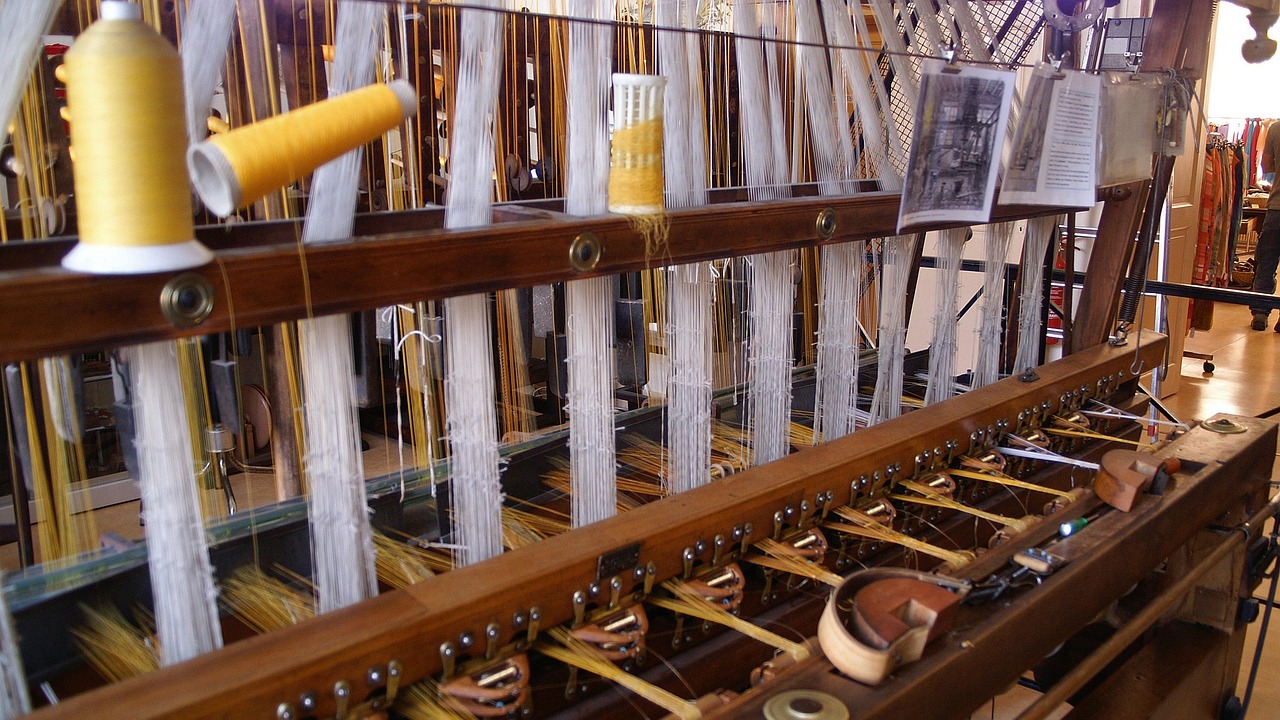
However, the advent of new machinery like the power loom, the spinning jenny, and especially the wide frame knitting machine and the shearing frame, threatened to render their skills obsolete overnight. These machines, often operated by cheap, unskilled labor, could produce goods faster and at a lower cost, driving down wages and forcing artisans into overcrowded, unsanitary factories with grueling hours and brutal discipline. For many, this wasn't progress; it was an existential threat, a "loom that broke hands" both literally and figuratively.
The Rise of General Ludd: A Mythical Leader, Real Fury
The Luddite movement first ignited in Nottinghamshire in late 1811. Stockingers, facing wage reductions and the use of "cut-ups" (inferior quality goods produced quickly on wide frames), began to organize. Their protests were often directed by anonymous letters, signed by the mythical "General Ludd" or "King Ludd," a legendary apprentice said to have smashed two stocking frames in a fit of rage decades earlier. This figure provided a unifying symbol and a powerful psychological weapon.
The initial acts of machine-breaking were not random acts of vandalism but targeted attacks on specific frames owned by manufacturers who exploited workers or used the new, cheaper methods. These were often accompanied by demands for fair wages, better working conditions, and the enforcement of traditional labor laws. The Luddites, often operating under the cover of darkness, would smash the offending machinery with sledgehammers, leaving behind notes from General Ludd.
Spreading the Flames: From Nottingham to Yorkshire and Lancashire
The movement quickly spread. By early 1812, Luddism had taken root in the West Riding of Yorkshire, where croppers, highly skilled workers who finished cloth using heavy shearing frames, faced similar threats. Their craft was particularly vulnerable to new cropping machines. Here, the Luddite attacks were often more violent, culminating in incidents like the assassination of mill owner William Horsfall, who had vowed to "ride up to his saddle girths in Luddite blood."
Lancashire followed, with weavers protesting the introduction of power looms and the widespread use of child labor. The attacks here were often on a larger scale, sometimes involving hundreds of people, demonstrating a remarkable level of organization and coordination.
Government Repression: The Iron Fist of the State
The British government viewed the Luddite rebellions not as legitimate labor disputes but as revolutionary insurrections, especially in the context of the ongoing war with France and fears of Jacobinism. Their response was swift and brutal. Thousands of troops, outnumbering those fighting Wellington in the Peninsular War, were deployed to the affected regions.
In 1812, Parliament passed the Frame Breaking Act, making machine-breaking a capital offense punishable by death. Lord Byron famously spoke against the bill in the House of Lords, lamenting that "death was denounced against a man who smashed a stocking-frame." Despite his eloquence, the bill passed.
A series of show trials followed, notably in York and Lancaster in 1813. Many Luddites were sentenced to death by hanging, others transported to penal colonies in Australia. The state's overwhelming force, coupled with informants and the harsh penalties, eventually broke the back of the organized Luddite movement by 1813-1814, though sporadic acts of machine-breaking continued for several years.

Beyond Machine-Breaking: A Cry for Justice
It is a common misconception that the Luddites were simply anti-technology zealots. In reality, their actions were a desperate, often last-resort, form of collective bargaining and social protest. They were not against machines per se, but against the unregulated introduction of machines that led to unemployment, wage cuts, poor quality goods, and the erosion of traditional skills and community structures. They sought to preserve a moral economy where workers had a fair share and a voice.
Their protests highlighted the profound human cost of unchecked industrialization, a cost often borne by the most vulnerable. They foreshadowed later labor movements and raised fundamental questions about the relationship between technological progress, economic justice, and social welfare – questions that remain relevant in every era of significant technological disruption.
Legacy and Enduring Relevance
Though ultimately unsuccessful in halting industrialization, the Luddite rebellions left an indelible mark on history. The term "Luddite" is often used today to describe someone resistant to technological change. However, understanding the historical context reveals a far more nuanced picture. The original Luddites were not simply technophobes; they were workers fighting for their dignity, their livelihoods, and a more equitable distribution of the benefits of progress.
In an age of automation, artificial intelligence, and global economic shifts, the echoes of the Luddite struggle resonate powerfully. Their story serves as a potent reminder that while innovation drives society forward, it must be tempered with foresight, empathy, and policies that address the human impact of change, ensuring that progress does not come at the expense of those who are most vulnerable to its disruptive force. The loom may have broken hands, but the Luddites' cry for justice continues to be heard.