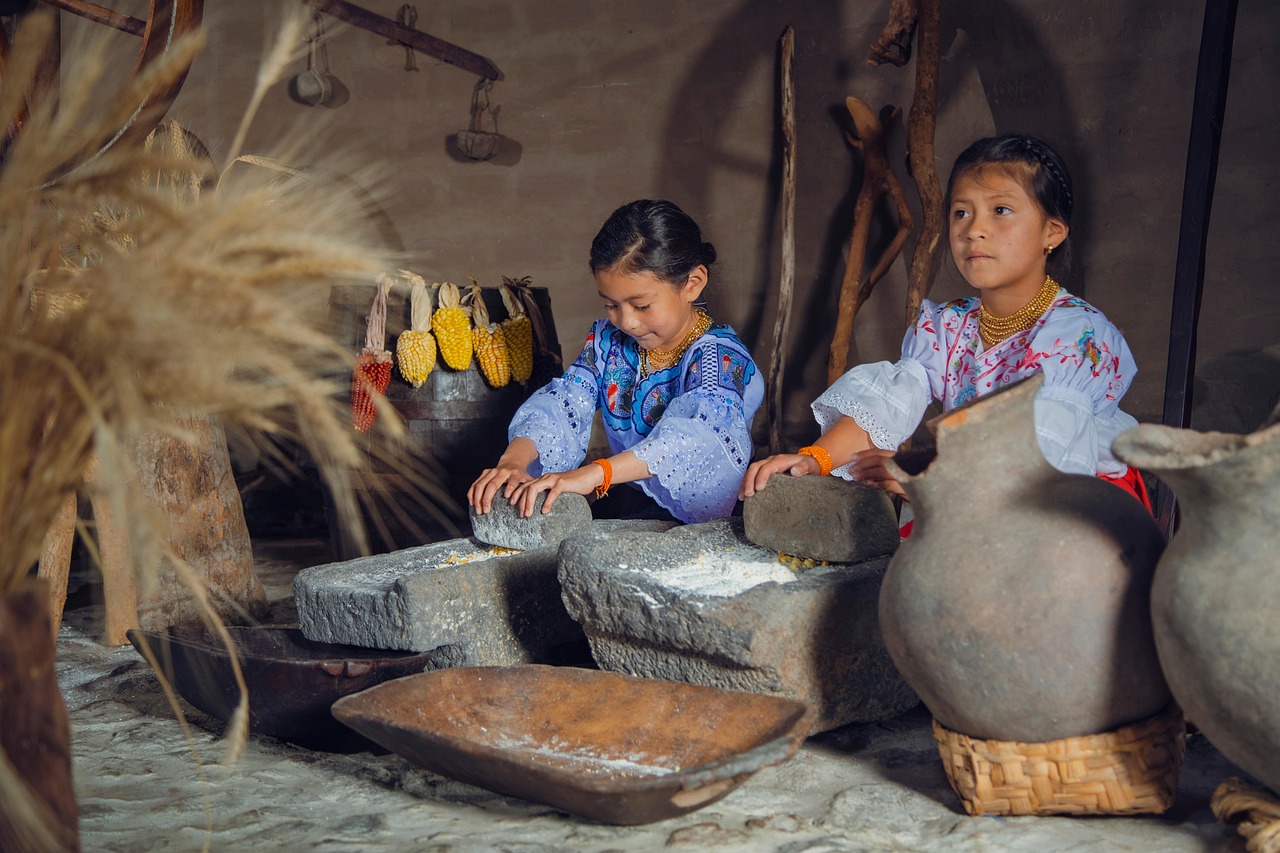
In the tumultuous landscape of the 20th century, a remarkable phenomenon unfolded—folk traditions, once confined to isolated communities, gained unprecedented recognition and popularity. This revival was driven by a desire to reconnect with roots amid rapid technological change and globalization.
Background
The 20th century was a pivotal era for the resurgence and transformation of folk traditions, often driven by reactions to rapid industrialization, urbanization, and global conflicts. Folk customs—spanning music, dance, craft, oral storytelling, festivals, and attire—served not only as carriers of cultural memory but as symbols of resistance and identity amidst social upheavals. The decline of traditional ways during the preceding centuries, fueled by colonialism and modernization, sparked a desire among communities worldwide to reclaim their heritage, fueling a cultural revival that would shape the century’s social fabric.
Geography
Global Spread of Folk Movements
While initially rooted in localized communities, folk traditions gained international significance through movements such as the Folk Revival in Europe and North America, the Irish cultural renaissance, and the Native American ethnocentric resurgence. Regions like Eastern Europe, Latin America, Asia, and Africa saw unique revivals, each influenced by their colonial histories and indigenous resilience. For instance, the Scandinavian countries experienced a nationalist wave emphasizing their traditional music and craft motifs, while in Africa, the post-colonial era fostered efforts to preserve indigenous dance and storytelling traditions against the encroaching modern influences.
Society & Culture
Identity and Community
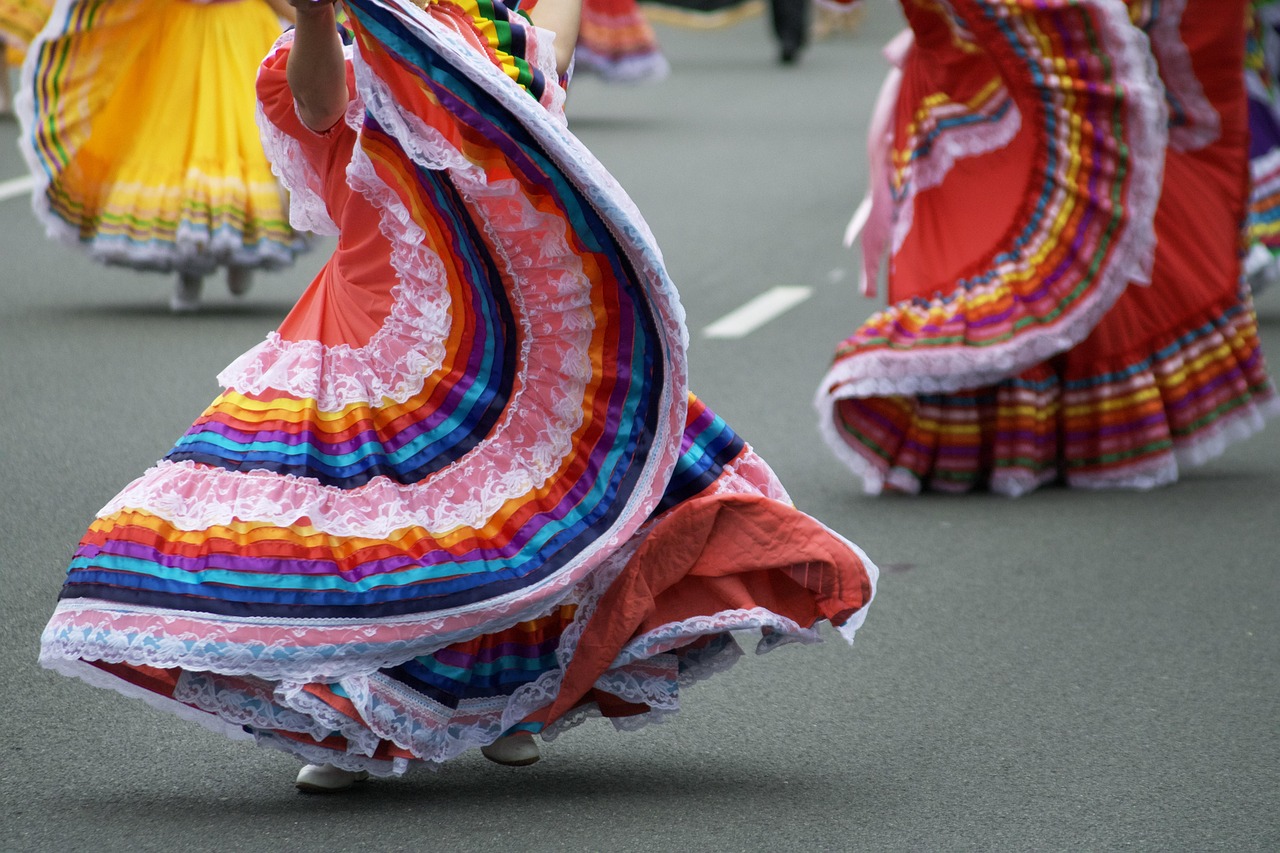
Folk traditions became intertwined with notions of cultural identity, serving as acts of community cohesion and resistance. They fostered pride among marginalized groups, underpinning movements for independence and social recognition. Festivals, such as the Scottish Highlands gatherings and Mexican Día de los Muertos, epitomized communal reinvigoration of traditions, reinforcing bonds and emphasizing shared histories. Additionally, folk art and music helped define local identities in a rapidly homogenizing world, reinforcing a sense of rootedness and continuity amid upheaval.
Revival and Preservation Efforts
Intensified by academic interest and nationalist political agendas, numerous ethnographic and folkloric collections emerged, documenting traditional practices. Cultural organizations, national archives, and grassroots movements aimed at maintaining and revitalizing customs threatened by modernization or marginalization. For example, the rise of folk schools and cultural festivals across Scandinavia and Eastern Europe played a pivotal role in teaching, preserving, and celebrating local customs.
Economy & Trade
Traditional Craftsmanship
The economic aspect of folk traditions often intertwined with local commerce through the production and sale of handcrafted artifacts, textiles, jewelry, and musical instruments. Folk crafts became commodities in tourist markets, which both supported local economies and risked commodifying cultural symbols. However, this trade also facilitated cultural exchange and helped sustain artisans’ livelihoods, often inspiring a renewed appreciation for indigenous craftsmanship amid industrial mass production.
Global Cultural Market
The rise of global tourism and international cultural festivals created markets for folk art and performances. While this exposure fostered cross-cultural understanding, it also raised concerns over cultural appropriation and dilution. The tension between authentic preservation and commercialization fundamentally shaped debates surrounding folk traditions’ economic viability.
Military & Technology
Media and Transmission
Technological advances, including radio, television, and eventually the internet, transformed how folk traditions were transmitted, shared, and consumed. Radio broadcasts of folk music helped popularize regional styles beyond local borders, fostering pan-national pride. TV programs and documentaries showcased traditional dance and crafts, inspiring renewed participation. The internet further democratized access, enabling diaspora communities to reconnect with their heritage and share folk practices globally.
Governance & Law
Policy and Cultural Preservation
Government policies increasingly recognized the importance of folk traditions in national identity, leading to legislative protections and cultural heritage designations. UNESCO’s 2003 convention on intangible cultural heritage exemplifies international efforts to safeguard folk practices. States often established cultural ministries supportive of folk festivals, archives, and educational initiatives, balancing preservation with modern societal needs.
Archaeology & Sources
Documenting and Reinterpreting Traditions
Archaeological excavations and ethnographic research provided crucial sources for understanding folk origins and evolution. Archival recordings, oral histories, and material artifacts offered insights into traditional practices, often leading to reinterpretations that questioned earlier assumptions. The advent of digital archives allowed for broad accessibility and the preservation of fragile cultural resources.
Timeline
- Early 1900s: Initial ethnographic efforts and revival movements begin globally.
- 1920s-1930s: Nationalist movements utilize folk traditions for identity building.
- 1950s-1960s: Folk music and dance become central to cultural festivals and national heritage projects.
- 1970s: UNESCO’s Convention on the Safeguarding of Intangible Cultural Heritage (2003) established.
- 1990s-2000s: Digital technology accelerates dissemination and preservation efforts.
Debates / Controversies
The period also saw heated debates over cultural authenticity, commercialization, and the selective revival of certain traditions while neglecting others. Critics questioned the commodification of folk practices, warning against their dilution into stereotypical or touristy displays. Others debated the extent of government involvement, fearing overreach or cultural imperialism. Additionally, the tension between preserving traditional authenticity versus adapting for contemporary relevance continues to influence policies and practices.
Conclusion
The 20th century marked a renaissance period for folk traditions, driven by a complex mixture of societal needs, technological advancements, and political motivations. As communities sought to preserve their unique identities amidst rapidly changing contexts, folk customs served as both anchors of tradition and catalysts for cultural innovation. Their ongoing legacy affirms the enduring human desire to connect with one’s roots, celebrate diversity, and redefine cultural belonging in a continually evolving world.