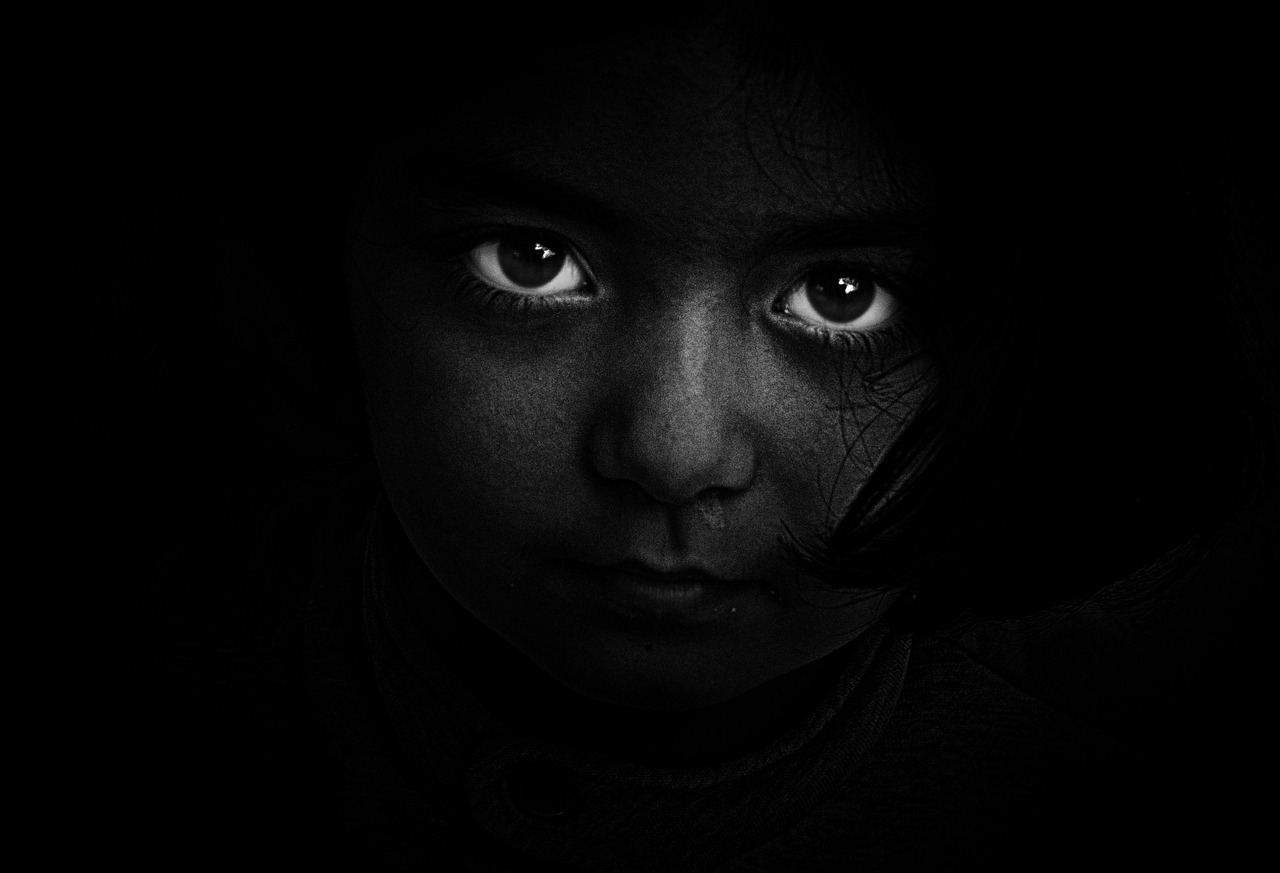
Noor Inayat Khan, an Indian-born British spy, led an extraordinary life marked by bravery, intelligence, and tragedy. Her story, intertwined with the tumultuous events of World War II, is a testament to the power of human spirit and the enduring legacy of those who dare to challenge the status quo.

Background
Noor Inayat Khan was born on January 1, 1914, in Moscow, Russia, to an Indian father and an American mother. Her father, Inayat Khan, was a musician and a Sufi teacher, while her mother, Ora Ray Baker, was a writer and a teacher. Noor's early life was marked by frequent moves between Europe and the United States, which exposed her to diverse cultures and languages.
Geography
Noor's travels took her to various parts of Europe, including France, England, and Germany. She spent a significant amount of time in Paris, where she studied music and literature at the École Normale de Musique. Her experiences in these different geographic locations played a crucial role in shaping her worldview and language skills, which would later become essential for her work as a spy.
Society & Culture
Noor was raised in a multicultural and multilingual environment, which influenced her societal and cultural perspectives. Her family's Sufi background and her father's teachings emphasized the importance of compassion, tolerance, and self-discipline. These values would later guide her actions as a spy, particularly during her time in occupied France.

Economy & Trade
During WWII, the global economy was severely impacted, and trade was heavily restricted. Noor's work as a spy involved transmitting vital information about the German military's economic and trade activities, which helped the British government make informed decisions about their own economic strategies.
Military & Technology
Noor was trained in wireless operating and coding, skills that were essential for her work as a spy. She used her knowledge of technology to transmit crucial information about the German military's movements and plans, which significantly contributed to the Allied forces' efforts during WWII.
Governance & Law
Noor's work as a spy was heavily influenced by the governance and laws of the time. She operated in a highly regulated and secretive environment, where the consequences of being caught were severe. Her bravery and cunning in the face of these challenges are a testament to her dedication to the cause.

Archaeology & Sources
Historical records and archaeological findings have provided valuable insights into Noor's life and work. Her personal letters, diaries, and other documents have been preserved and studied, offering a unique glimpse into her experiences as a spy. Additionally, the discovery of wartime artifacts and equipment has helped historians reconstruct the context in which Noor operated.
Timeline
- January 1, 1914: Noor Inayat Khan was born in Moscow, Russia.
- 1920s: Noor's family moved to France, where she spent most of her childhood and adolescence.
- 1930s: Noor studied music and literature at the École Normale de Musique in Paris.
- 1940: Noor joined the Women's Auxiliary Air Force (WAAF) and began her training as a spy.
- 1943: Noor was sent to occupied France, where she worked as a wireless operator and transmitted vital information to the British government.
- 1944: Noor was captured by the German authorities and imprisoned in the Pforzheim prison.
- September 13, 1944: Noor Inayat Khan was executed at the Dachau concentration camp.
Debates/Controversies
Noor's life and work have been the subject of various debates and controversies. Some historians have questioned the extent of her contributions to the war effort, while others have criticized the British government's handling of her case. Despite these debates, Noor's bravery and sacrifice are widely acknowledged and respected.
Conclusion
Noor Inayat Khan's enigmatic life is a testament to the power of courage, compassion, and determination. Her work as a spy during WWII was instrumental in shaping the course of history, and her legacy continues to inspire individuals around the world. Through her story, we are reminded of the importance of empathy, tolerance, and self-discipline, values that are just as relevant today as they were during her lifetime.