Introduction to Industrial Revolution
The Victorian era, a period of unprecedented industrial growth and innovation, often conjures images of grand engineering feats, bustling cities, and burgeoning wealth. Yet, beneath this veneer of progress lay a stark and brutal reality for millions of its youngest citizens. As the gears of industry turned faster, demanding an ever-cheaper and more pliable workforce, children became the silent, suffering cogs in the vast machinery of Britain’s textile mills. Their tiny hands and fragile bodies were instrumental in weaving the fabric of the nation’s prosperity, but at an unimaginable cost. This article delves into the grim existence of these child labourers, whose grueling lives powered an empire, leaving an indelible stain on the age of innovation.
The Unseen Workforce: Why Children?
Poverty was the primary driver pushing children into the mills. For impoverished families, every pair of hands, no matter how small, was essential for survival. Children as young as five or six were sent to work, their meager wages often making the difference between starvation and a meal. Parish apprenticeships also played a significant role. Orphaned or destitute children were often "apprenticed" to mill owners by local parishes, effectively selling them into servitude. These children were housed, fed poorly, and worked relentlessly, with no family to advocate for their welfare. Their small stature was also seen as an advantage; they could navigate the cramped spaces beneath machinery to retrieve fallen threads or clean equipment, tasks too dangerous for adults.
A Day of Endless Toil: The Mill Schedule
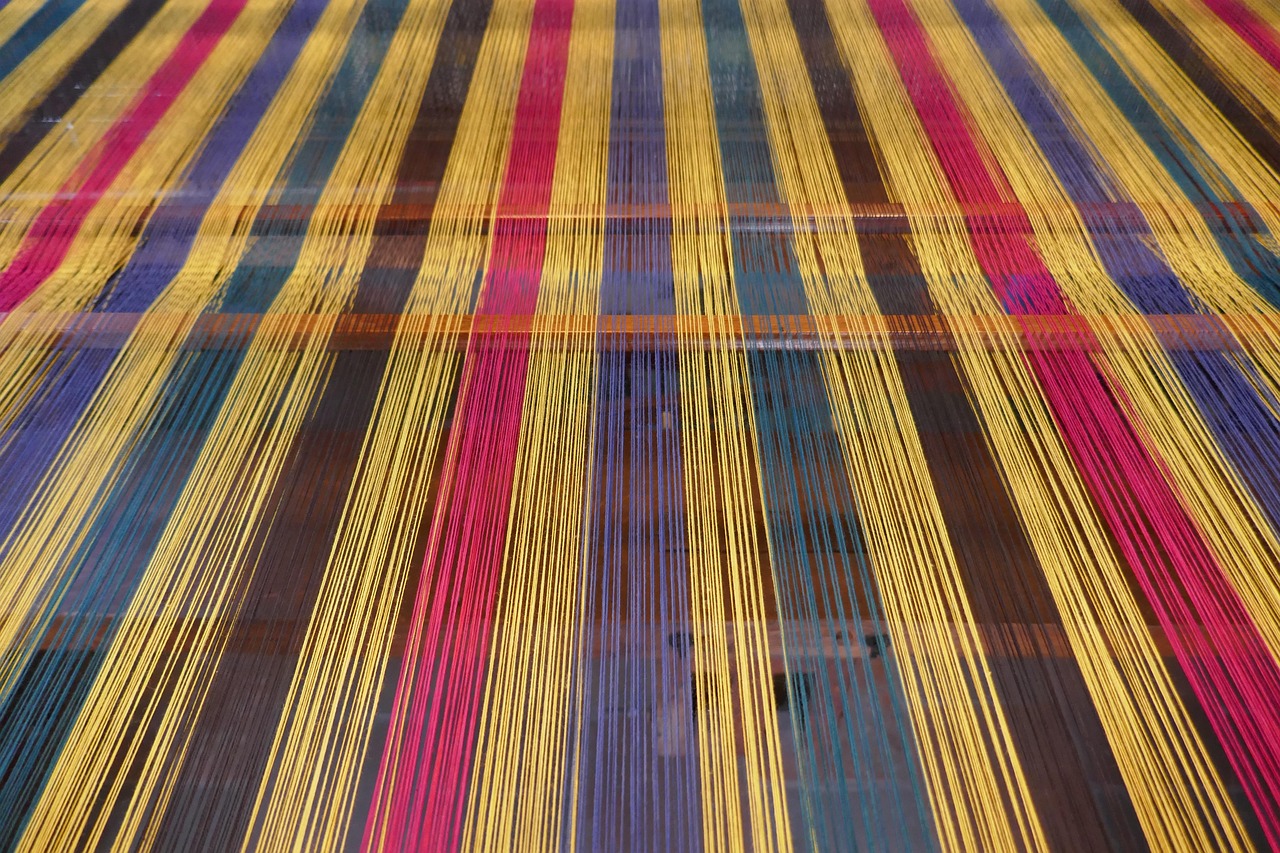
A typical workday for a child in a Victorian mill was nothing short of brutal. Days often began before dawn, sometimes as early as 4 or 5 AM, and stretched for 12 to 16 hours, six days a week. Children would trudge to the mill through dark, cold streets, their bodies aching even before their shift began. Breaks were minimal and often unpaid – a quick bite of dry bread while standing by their machines. The relentless noise of the machinery, the stifling heat, and the constant pressure from overseers meant there was no respite. Exhaustion was a constant companion, leading to frequent accidents and the dreaded punishment for falling asleep at the loom.
Perilous Environments: Dangers of the Mill Floor
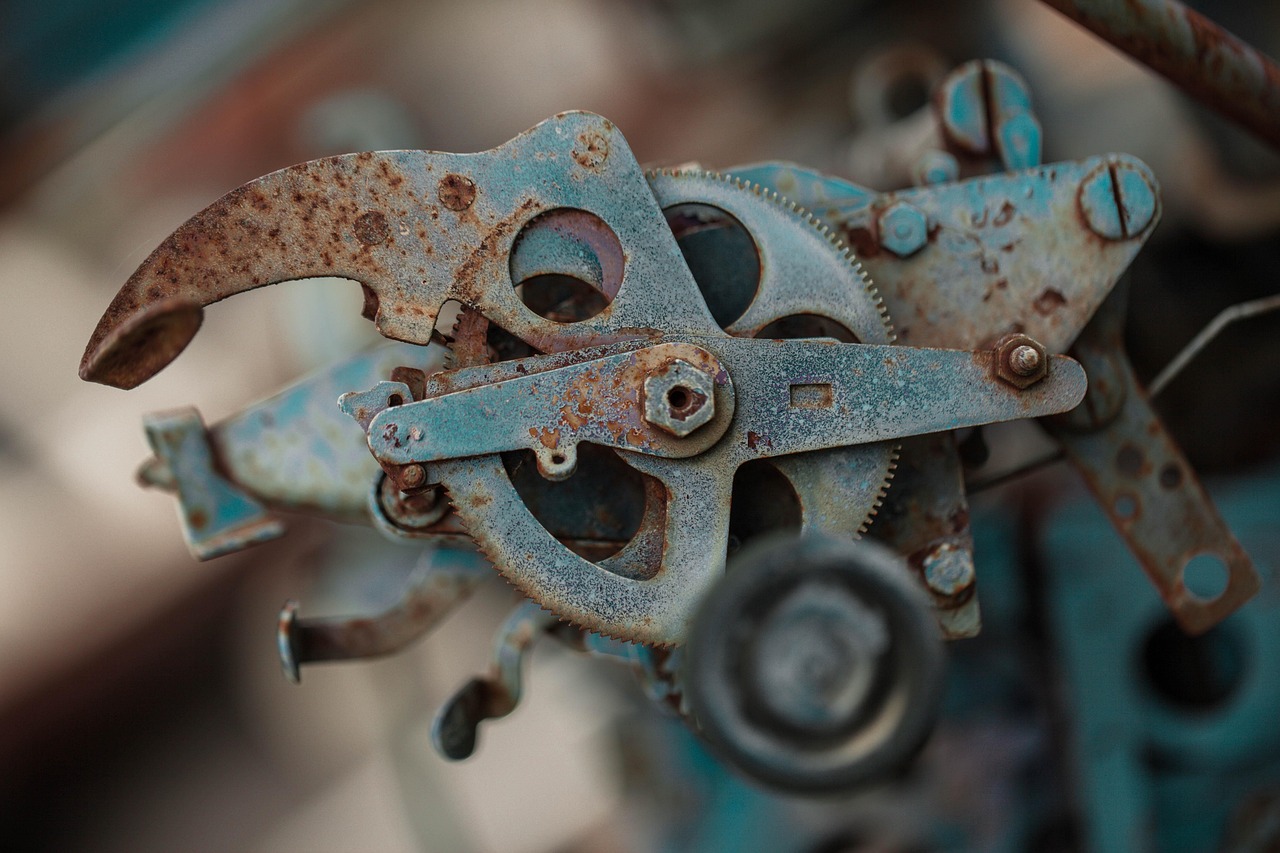
The mill floor was a labyrinth of whirring, clanking machinery, a terrifying place for a child. Unfenced gears, spinning spindles, and flying shuttles posed constant threats. Children were often tasked with dangerous jobs, such as "scavengers" who crawled under running machinery to pick up loose cotton, or "piecers" who had to quickly tie broken threads. Fingers were crushed, limbs were mangled, and scalps were ripped off by unguarded machines. The air was thick with cotton dust and fibers, leading to chronic respiratory illnesses like "byssinosis" or "brown lung disease." The oppressive heat and humidity, necessary for processing cotton, further exacerbated their suffering, leading to dehydration and fainting spells.

The Scars They Carried: Health and Deformity
The long-term health consequences for child mill workers were devastating. Stunted growth was common, their bodies denied the nourishment and rest needed for proper development. The constant standing and repetitive motions led to severe skeletal deformities, particularly curvature of the spine, bowed legs, and knock-knees. Many suffered from chronic coughs, asthma, and tuberculosis due to the polluted air. Deafness was prevalent from the incessant noise, and eye strain was common from working in dim light on intricate tasks. Accidents often left them maimed for life, unable to perform other work and condemned to poverty.
Discipline and Despair: The Overseer's Grip
Discipline in the mills was harsh and often brutal. Overseers, known as "gaffers," used various methods to keep children working at pace. Fines were common for minor infractions, further eroding their already meager wages. Corporal punishment was widespread, with children being beaten with straps, canes, or even kicked. Some mill owners employed "strappers" whose sole job was to whip children who lagged or fell asleep. The psychological toll of this constant fear, exhaustion, and abuse was immense, robbing children of their childhood and leaving them with deep emotional scars.
Whispers of Reform: Early Efforts
Despite the widespread exploitation, voices of dissent began to emerge. Social reformers, philanthropists, and concerned individuals started to expose the horrors of child labor. Figures like Robert Owen, a benevolent mill owner, demonstrated that better conditions could lead to higher productivity. Lord Shaftesbury became a tireless advocate, campaigning for legislative change. Parliamentary inquiries brought harrowing testimonies to light, forcing the government to acknowledge the problem. These efforts slowly but surely began to chip away at the entrenched system.
A Gradual Awakening: The Path to Change
The early Factory Acts, beginning in 1802 and notably strengthened in 1833, were initial steps towards regulating child labor. The 1833 Act, for example, prohibited children under nine from working in textile mills, limited the hours for those aged 9-13 to 48 hours a week, and introduced factory inspectors. While these laws were often circumvented and difficult to enforce, they laid the groundwork for future reforms. Subsequent acts gradually raised the minimum age, reduced working hours, and improved safety standards, reflecting a slow but growing societal conscience regarding the welfare of children.
Legacy of the Little Workers
The suffering of the child mill workers in Victorian Britain is a grim reminder of the human cost of rapid industrialization. Their exploitation fueled an empire and laid the foundations for modern industrial society, yet their stories are often overshadowed by the grand narratives of progress. Today, as we enjoy the fruits of technological advancement, it is crucial to remember the tiny, unseen hands that turned the cogs of the machine, whose grueling lives paved the way for the labor laws and child protection standards we now take for granted. Their legacy serves as a powerful testament to resilience in the face of adversity and a cautionary tale about unchecked ambition.