Introduction: An Empire on the Brink
The early 4th century CE found the vast Roman Empire in a state of profound crisis. Decades of civil war, economic instability, and the tumultuous 'Tetrarchy' system had left the once-unshakeable realm fractured and vulnerable. Paganism, the traditional state religion, seemed to offer little solace or unity in the face of such widespread disarray. It was into this crucible of chaos that Constantine, a brilliant and ambitious general, would rise. His ascent to power would not only consolidate the empire but would also initiate a religious transformation so profound that it would redefine the very fabric of Western civilization: the strategic embrace of Christianity.
The Vision at Milvian Bridge: A Divine Mandate or a Political Calculation?
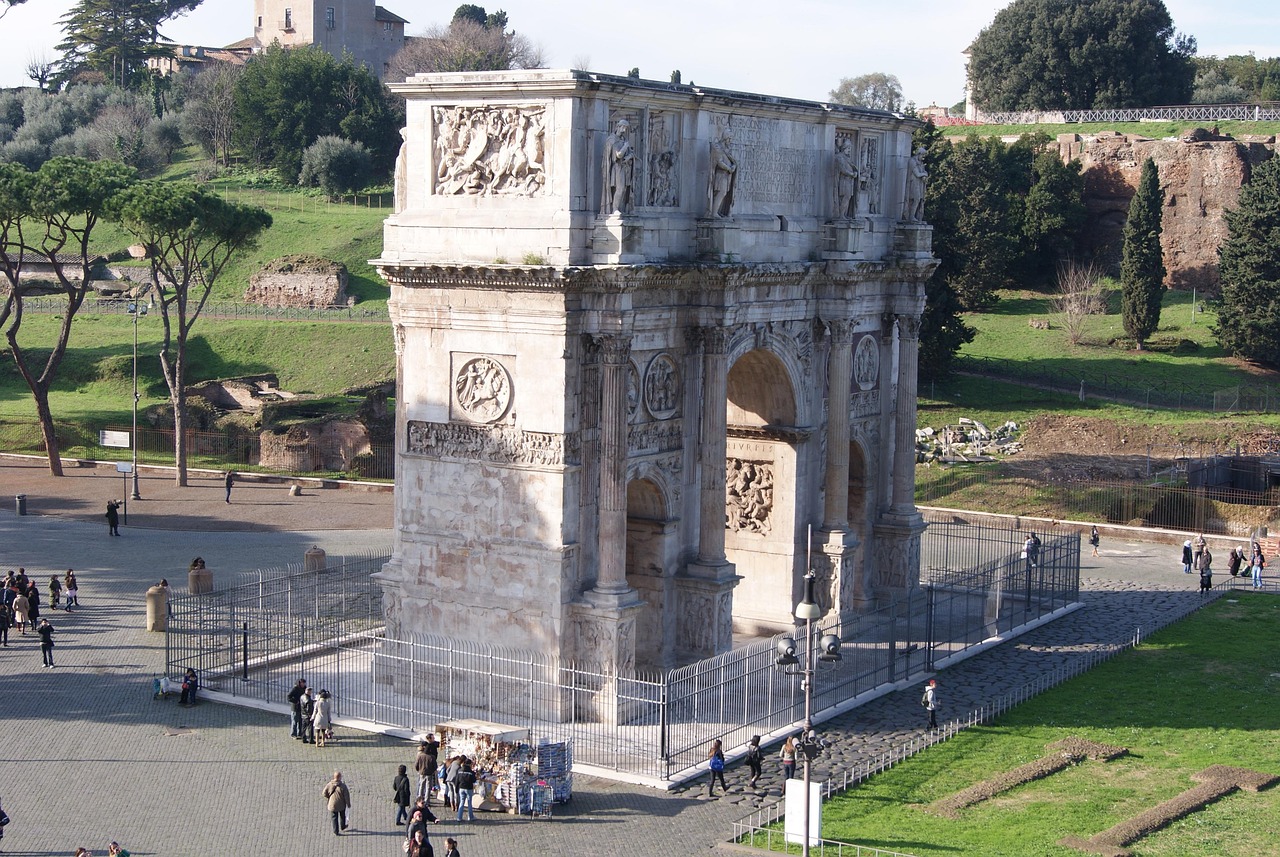
The decisive moment in Constantine's rise, and arguably in the history of Christianity, occurred in 312 CE at the Battle of Milvian Bridge. Facing his rival Maxentius outside Rome, Constantine was outnumbered and seemingly at a disadvantage. Accounts, most notably from the Christian historian Eusebius, describe Constantine experiencing a divine vision – either a cross of light in the sky or a dream – with the inscription 'In hoc signo vinces' ('In this sign, you will conquer'). He ordered his soldiers to adorn their shields with the Chi-Rho symbol, a monogram of Christ. His subsequent victory was absolute, and he entered Rome as its undisputed master.
The Chi-Rho and the Battle's Aftermath
While the sincerity of Constantine's personal conversion remains a subject of historical debate, the political implications of his vision and victory were immediate and undeniable. By attributing his success to the Christian God, Constantine positioned himself as divinely chosen, not by the traditional Roman pantheon, but by a rising, monotheistic deity. This act provided a powerful new source of legitimacy, distinct from the fading traditions of pagan Rome, and offered a potential unifying force for a diverse and fragmented empire.
The Edict of Milan: A Masterstroke of Tolerance and Strategy
The year following his victory, 313 CE, Constantine, alongside his co-emperor Licinius, issued the Edict of Milan. This groundbreaking decree granted religious freedom throughout the Roman Empire, specifically ending the persecution of Christians and restoring their confiscated property. Crucially, the Edict did not make Christianity the official religion of the empire; rather, it established a policy of religious tolerance, allowing individuals to worship any deity they chose. This was a shrewd political move. It appeased the increasingly numerous Christian population, who had proven themselves resilient and organized despite persecution, without alienating the still-dominant pagan majority. It projected an image of a benevolent ruler who sought peace and stability, and it allowed Constantine to tap into the organizational strength and moral fervor of the Christian communities.
From Tolerance to Favoritism: The Gradual Christianization of the Empire
While the Edict of Milan proclaimed tolerance, Constantine's subsequent actions clearly demonstrated a growing favoritism towards Christianity. He began to endow Christian churches with land and wealth, exempted Christian clergy from taxation, and incorporated Christian symbols into imperial coinage and architecture. Sunday was declared a day of rest, aligning civil law with Christian practice. He actively promoted Christians to high offices within the imperial administration, gradually shifting the balance of power and influence away from the pagan aristocracy. This was a careful, calculated process, designed to integrate Christianity into the state apparatus without provoking widespread pagan rebellion.
The Council of Nicaea: Imperial Authority in Ecclesiastical Affairs
Constantine's engagement with Christianity extended beyond patronage; he actively intervened in its internal affairs. In 325 CE, he convened the First Council of Nicaea, a gathering of bishops from across the empire, to resolve the contentious Arian controversy regarding the nature of Christ. By presiding over the council, Constantine asserted imperial authority over ecclesiastical matters, setting a precedent for the relationship between church and state that would profoundly shape European history. His involvement demonstrated his understanding that a unified church could be a powerful tool for a unified empire.
Constantinople: A New Christian Capital
Perhaps the most symbolic act of Constantine's reign was the founding of a new imperial capital, Constantinople, on the site of ancient Byzantium, in 330 CE. Unlike Rome, which was steeped in pagan tradition and symbols, Constantinople was conceived as a Christian city from its inception. It was adorned with churches, free from pagan temples, and dedicated to the Christian God. This new capital represented a profound geographical and ideological shift, signaling a definitive break from the pagan past and establishing a new center of power for a nascent Christian empire in the East.
The Enduring Legacy: A Christian Empire is Born
Constantine's reign marked a watershed moment. His political conversion, whether born of genuine faith or strategic genius, irrevocably altered the trajectory of the Roman Empire and, by extension, Western civilization. He did not abolish paganism, but he laid the groundwork for its eventual decline. He transformed Christianity from a persecuted sect into a favored religion, setting it on a path to become the dominant faith of Europe. The fusion of imperial power with Christian doctrine created a new identity for the Roman state, one that would endure for centuries in the Byzantine East and profoundly influence the development of medieval Europe.
Conclusion: Constantine's Crossroads and the Shaping of a New World
Constantine's 'crossroads' was not merely a personal spiritual journey but a monumental political gamble that paid off handsomely. By strategically embracing Christianity, he found a new source of legitimacy, a unifying ideology, and an organizational framework that helped stabilize a fracturing empire. His decisions at the Milvian Bridge, the Edict of Milan, the Council of Nicaea, and the founding of Constantinople were not isolated events but interconnected acts of a shrewd statesman who understood the power of belief. He did not just convert an empire; he reshaped its destiny, forging a new world order where the cross and the crown would forever be intertwined.