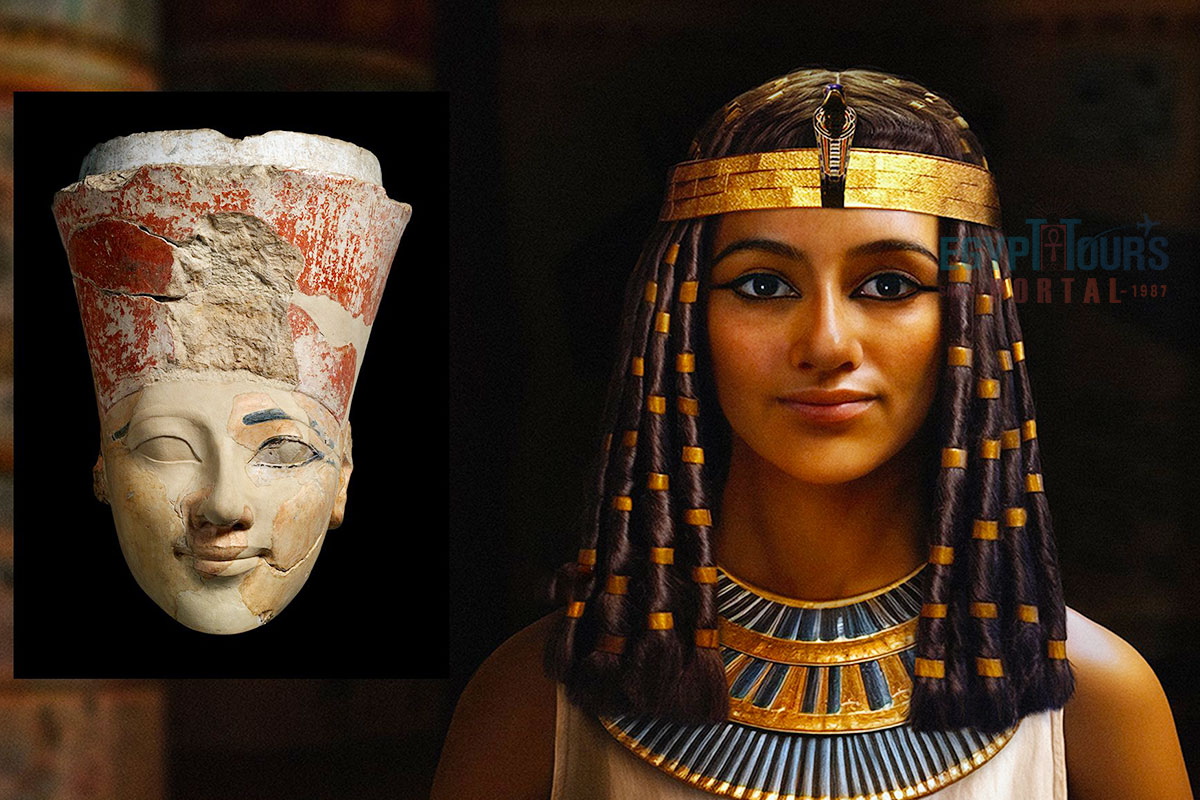
Introduction: A Queen at the Crossroads of Power
Cleopatra VII Philopator, the last active ruler of the Ptolemaic Kingdom of Egypt, faced a tumultuous landscape as the Roman Republic plunged into internal conflict. Her strategic diplomacy during the civil war exemplifies her political acumen and her ability to adapt to rapidly changing circumstances. This article delves into her diplomatic maneuvers, alliances, and the broader implications of her policies in preserving Egypt’s independence amidst chaos.

The Context: Egypt in a Time of Roman Turmoil
The Roman Civil War, primarily between Julius Caesar and Pompey, and later between Mark Antony and Octavian, destabilized Rome’s political structure. As a Hellenistic monarch, Cleopatra recognized that her realm’s survival depended on deft diplomatic engagements. Her court became a nexus of shifting alliances, where Egypt’s strategic importance made her a key player in Roman affairs.
Initial Alliances and Negotiations with Julius Caesar
Cleopatra’s first major diplomatic move was securing a vital alliance with Julius Caesar. When Caesar arrived in Egypt in 48 BCE, civil unrest and a power struggle between Cleopatra and her brother Ptolemy XIII threatened her reign. Cleopatra’s decision to align with Caesar—symbolized by her legendary meeting wrapped in the royal loom—was a calculated move aimed at restoring her throne.
She offered military support and political allegiance, famously bearing Caesar a significant political gift and entering into a relationship that would influence her future policies. Her diplomatic strategy centered on leveraging Caesar’s power to reinforce her legitimacy and resist her internal rivals.
Maintaining Autonomy Through Diplomatic Flexibility
Following her alliance with Caesar, Cleopatra sought to maintain Egypt’s independence despite Rome’s expanding influence. Her diplomatic approach involved balancing her relationship with Rome’s key players—initially aligning with Caesar and later with Mark Antony—to keep her realm sovereign in name, if not entirely in fact. Her court became a hub where diplomacy, intrigue, and marriage alliances were meticulously negotiated to safeguard Egypt’s status.
The Alliance with Mark Antony and the Power Dynamics
After Caesar’s assassination in 44 BCE, Cleopatra shifted her focus toward maintaining her influence through her relationship with Mark Antony. This union was both personal and political, resulting in a series of naval battles, marriages, and joint political activities aimed at consolidating her position against her rivals in Rome.
Cleopatra’s diplomatic finesse was evident in her ability to synchronize her romantic involvement with Antony with broader geopolitical strategies—such as supporting Antony’s military campaigns and backing his claim as a Roman leader—thus positioning Egypt as a key player in the new power struggles.

Strategic Use of Diplomacy to Protect Egypt
Throughout the civil war, Cleopatra’s diplomatic strategies included treaties, marriages, and cultural patronage designed to project Egypt’s influence. Her holding of Alexandria as a vibrant center of Hellenistic culture served as a diplomatic stronghold, attracting scholars and traders, which strengthened Egypt’s diplomatic standing.
Additionally, her tactics involved covert negotiations, intelligence gathering, and the deft use of propaganda to sway Roman allegiances in her favor, especially during the decisive naval battles such as Actium.
Conclusion: Legacy of Diplomatic Ingenuity
Cleopatra’s diplomatic strategies during the Roman civil war exemplify her political ingenuity and adaptability. Her mastery in navigating complex alliances, leveraging personal relationships, and employing cultural diplomacy allowed her to temporarily secure her dynasty’s survival amidst chaos. Her legacy, intertwined with Rome’s rise, underscores the enduring importance of diplomacy in shaping history’s course during periods of instability.